Custom R&D
Thermal garment and textile development for military, police, medical, industrial and outdoor use scenarios
 LEADINGPROTECTIVE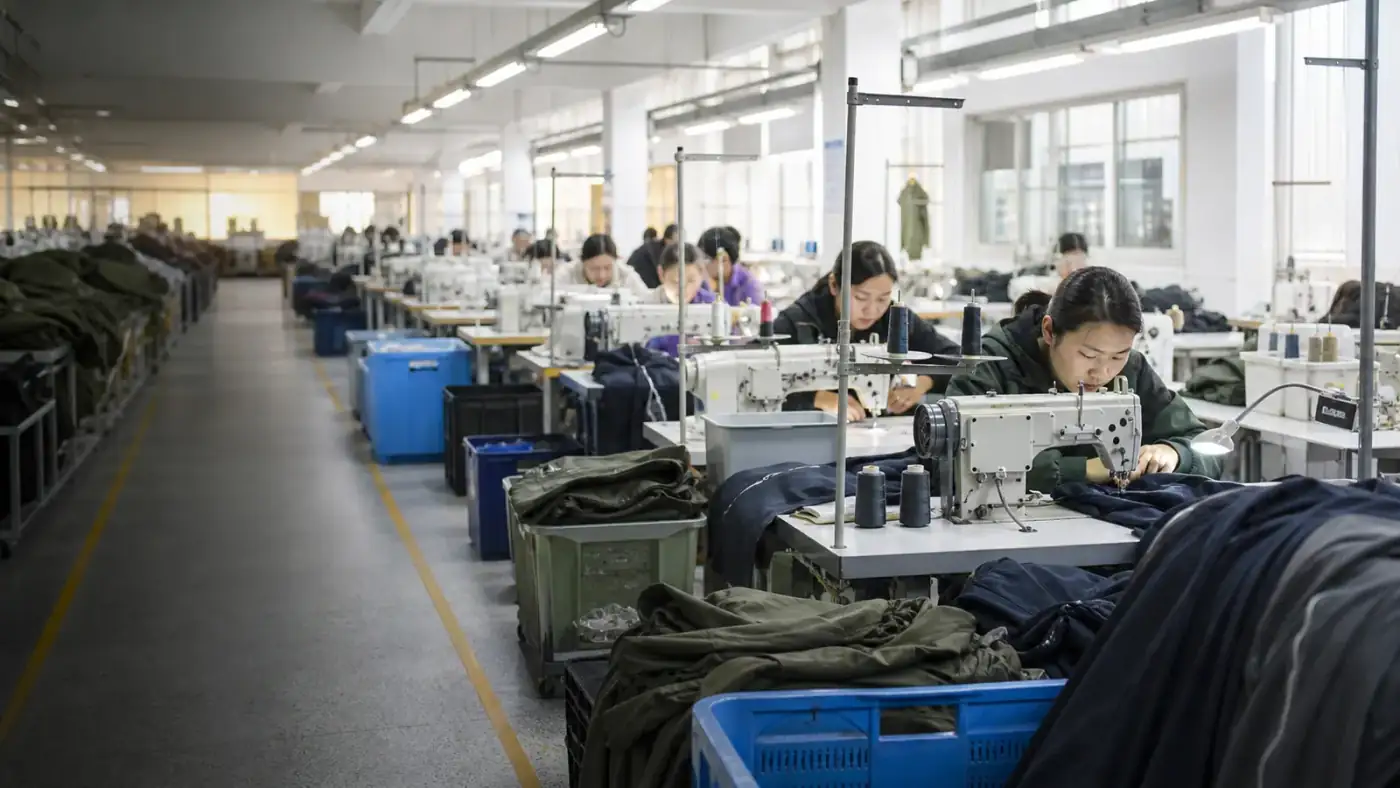
02 / FACTORY
A finished-apparel production route connecting pattern preparation, cutting, technical sewing, in-process control and final release
FINISHED-GARMENT PRODUCTION
Leading Protective coordinates temperature-regulating apparel from a defined buyer brief and approved sample into repeatable garment production. The manufacturing focus is pattern accuracy, controlled cutting, sewing construction, workmanship checks, packing requirements and traceable release.
GARMENT MANUFACTURING
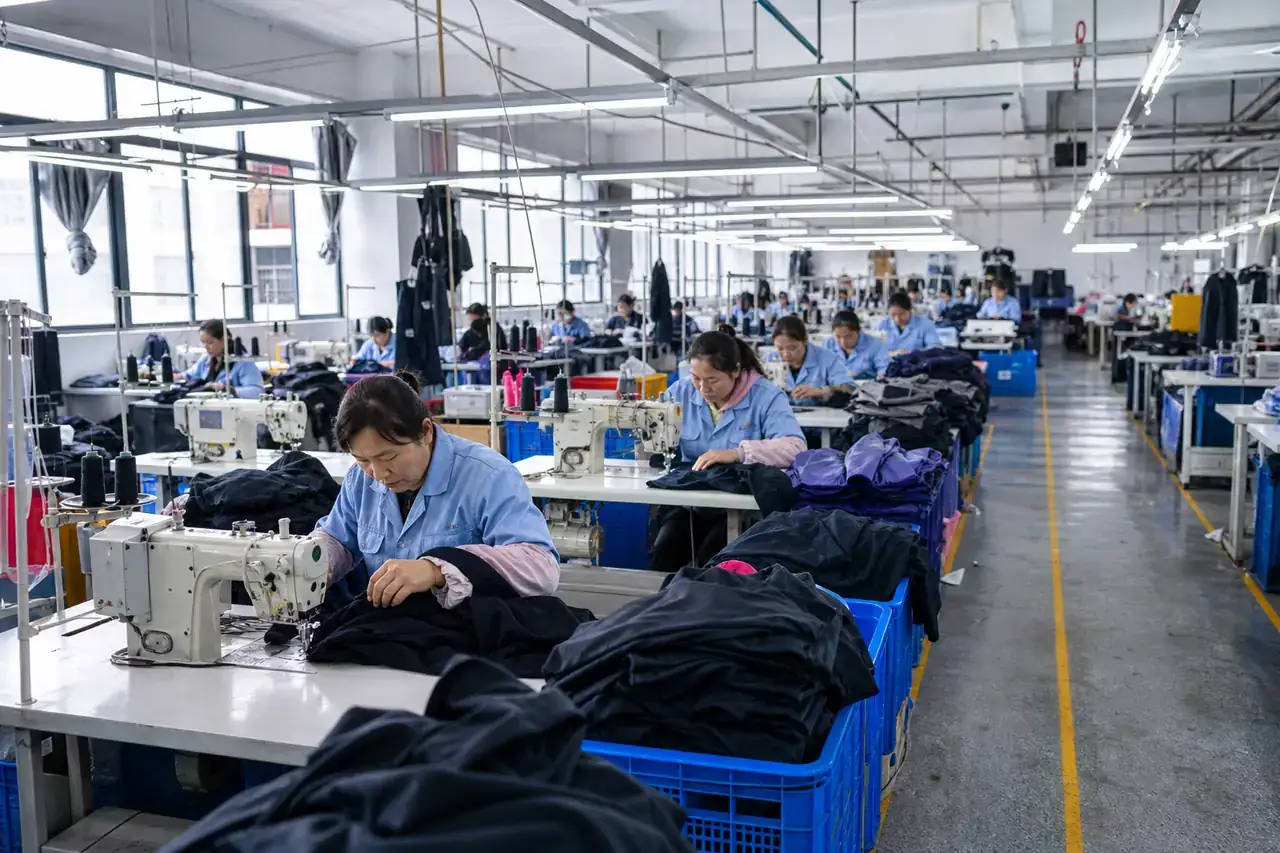
The manufacturing route connects pattern preparation, controlled cutting, trim preparation, technical sewing, finishing and export packing. The gallery combines real cutting footage with factory-focused production visuals and can be updated in the admin.
Fabric layers and pattern references are prepared for controlled cutting so that matched panels enter assembly with consistent shape and direction.
Real production footage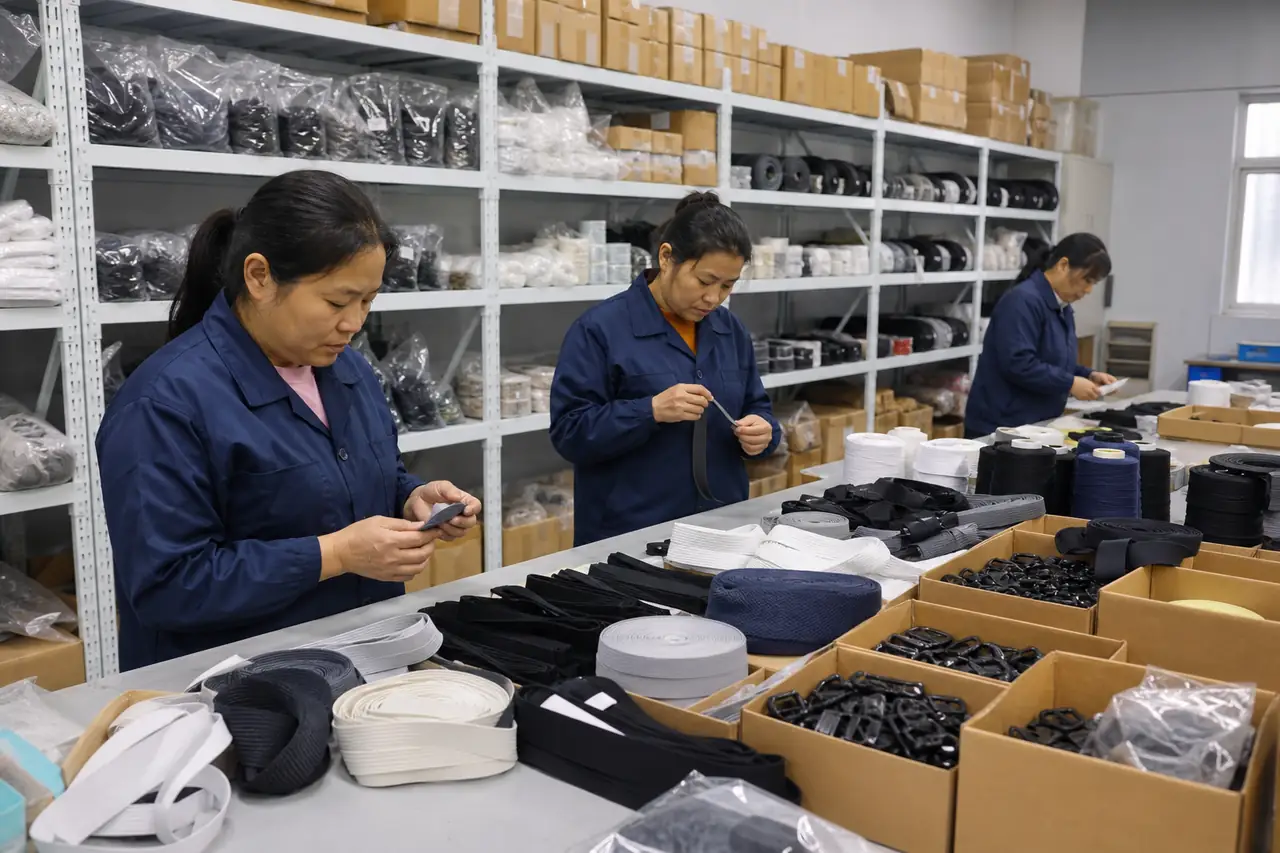
Zippers, elastic tapes, thread, labels and other components are organized and checked before they are issued to the production line.
Production visual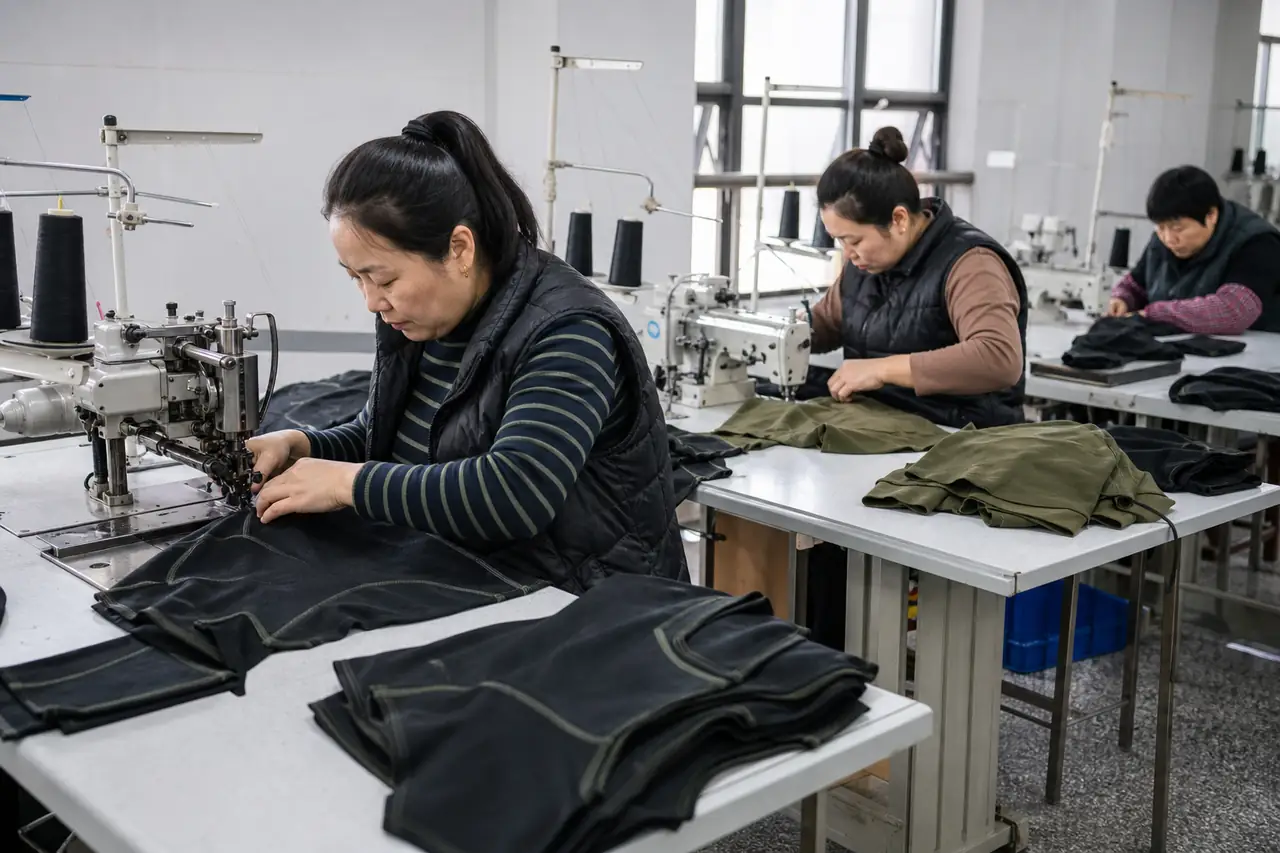
Chinese operators use industrial sewing, overlock and flatlock equipment selected for the approved fabric, stretch and construction reference.
Production visual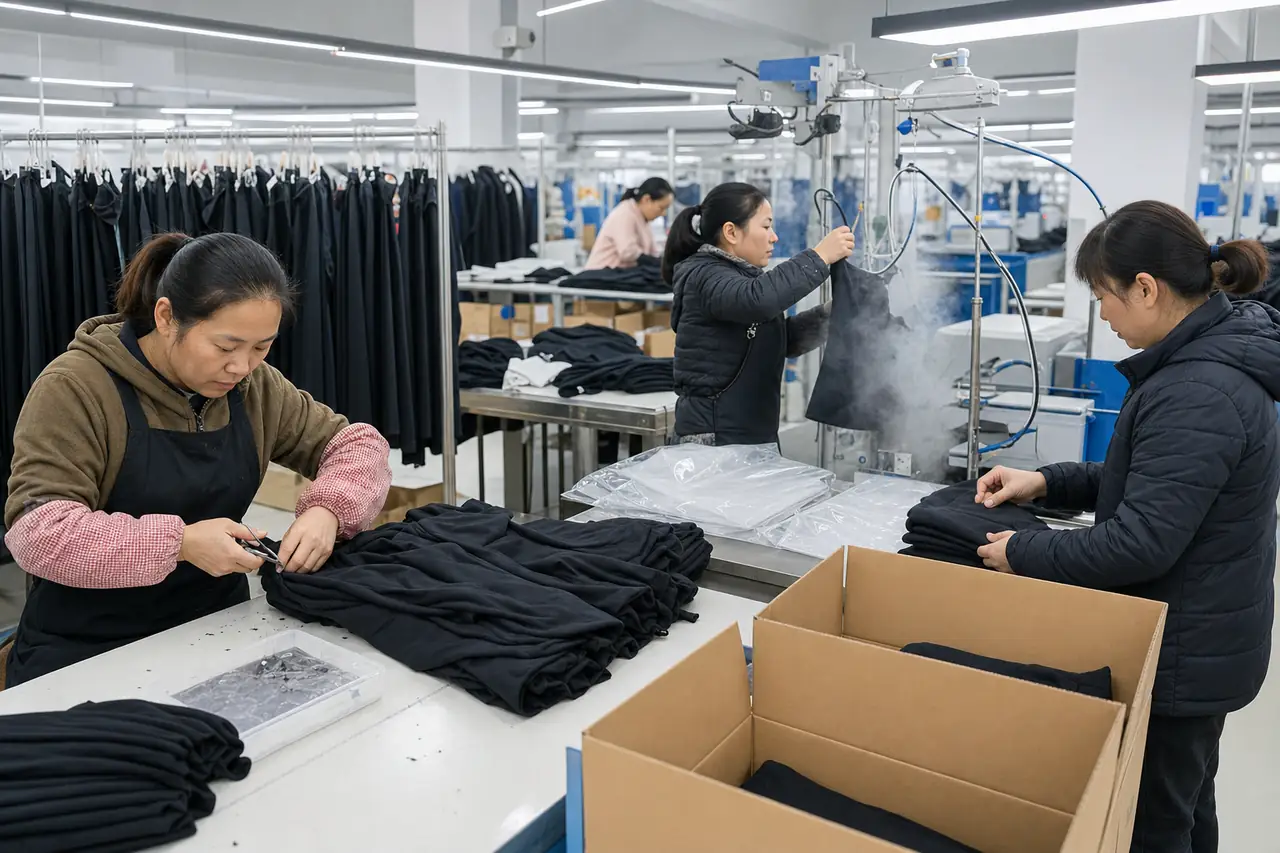
Finished garments move through thread trimming, steaming, folding and packing preparation before the final release check.
Production visualThermal garment and textile development for military, police, medical, industrial and outdoor use scenarios
Coordination from pattern and approved sample through cutting, sewing, finishing, packing and shipment
Application-led review of phase change materials, constant-temperature fibers and active heating or cooling fabric technologies
Material checks, prototype approval, in-process controls, final inspection and traceable release against agreed references
DEVELOPMENT WORKFLOW
The company story defines an engineering philosophy built around collaborative design, rigorous validation and scalable controlled production.
Define user, climate, duty cycle, garment form, target performance, quantity and delivery market
Review PCM, constant-temperature fibers, active heating or cooling technologies and supporting fabrics
Translate the approved direction into fit, construction and functional samples for evaluation
Review durability, washability, thermal cycling, safety requirements and buyer-defined test methods
Move the approved reference into batch-controlled manufacturing with quality checkpoints
Coordinate packaging, documentation, international shipment and repeat-order references
CURRENT PRODUCTION REFERENCES
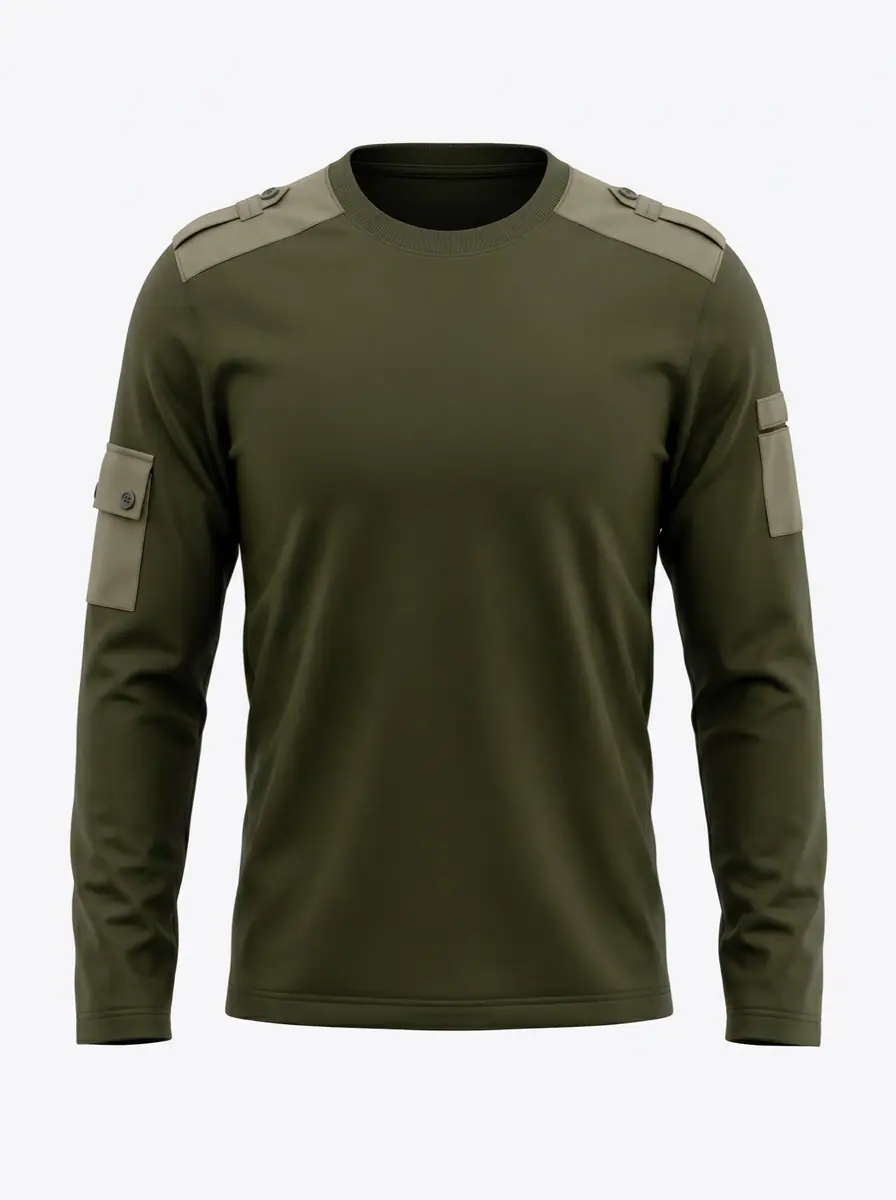
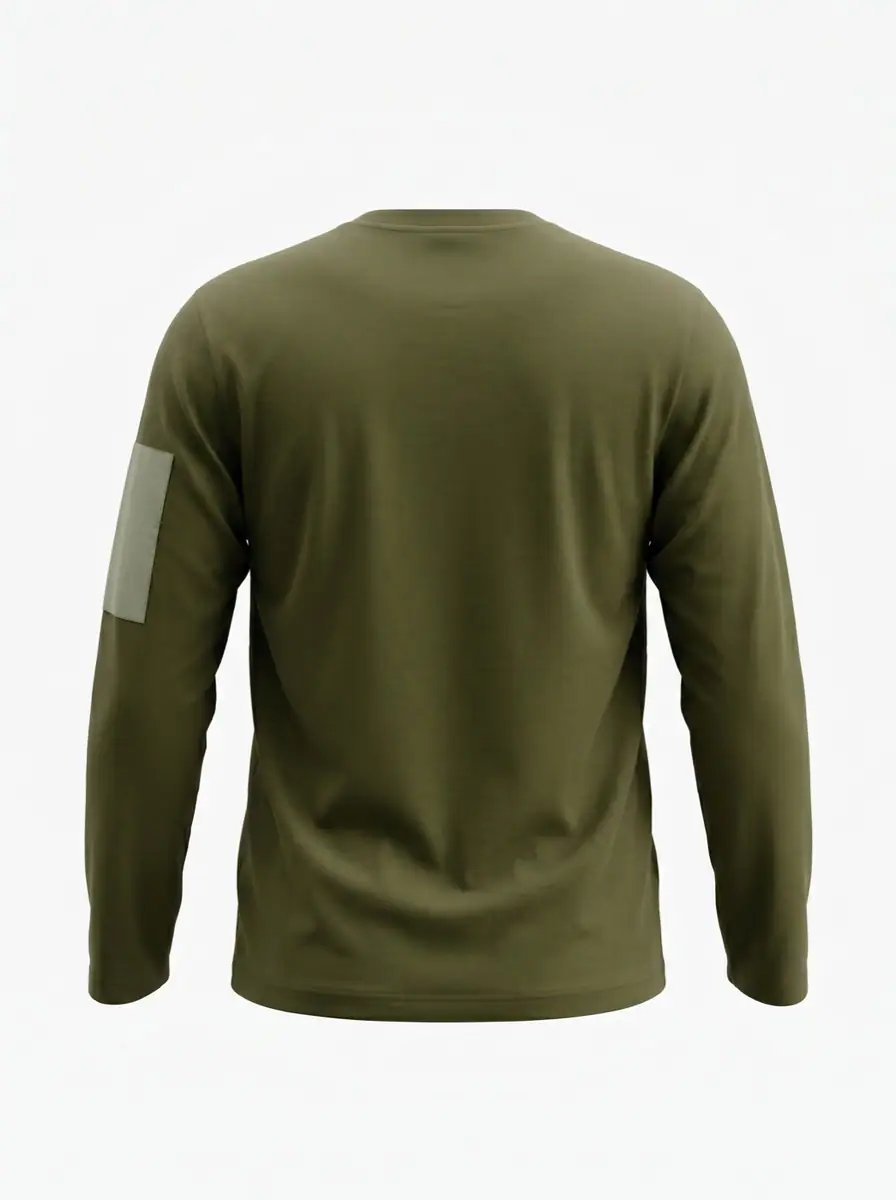
These supplied product references demonstrate the current development range across cooling, passive warming, active heating and professional knitwear.
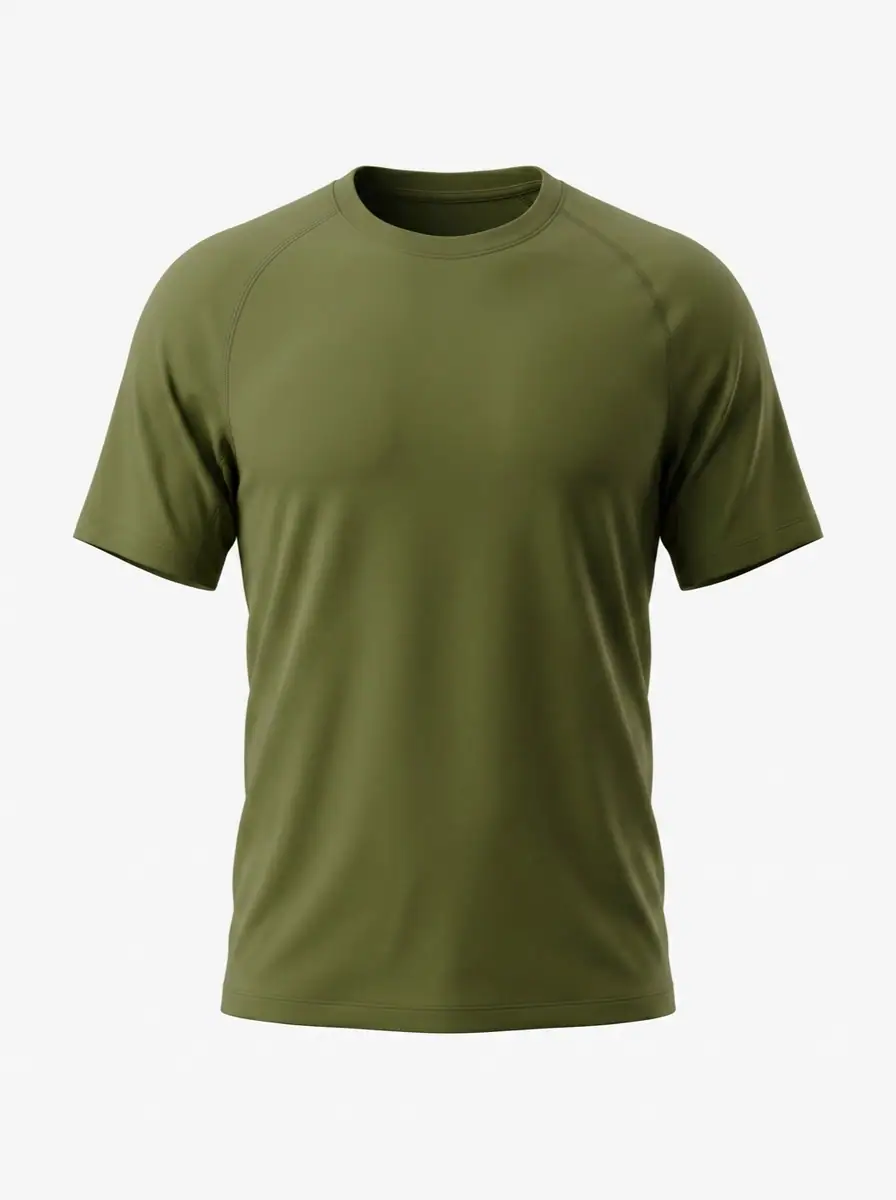
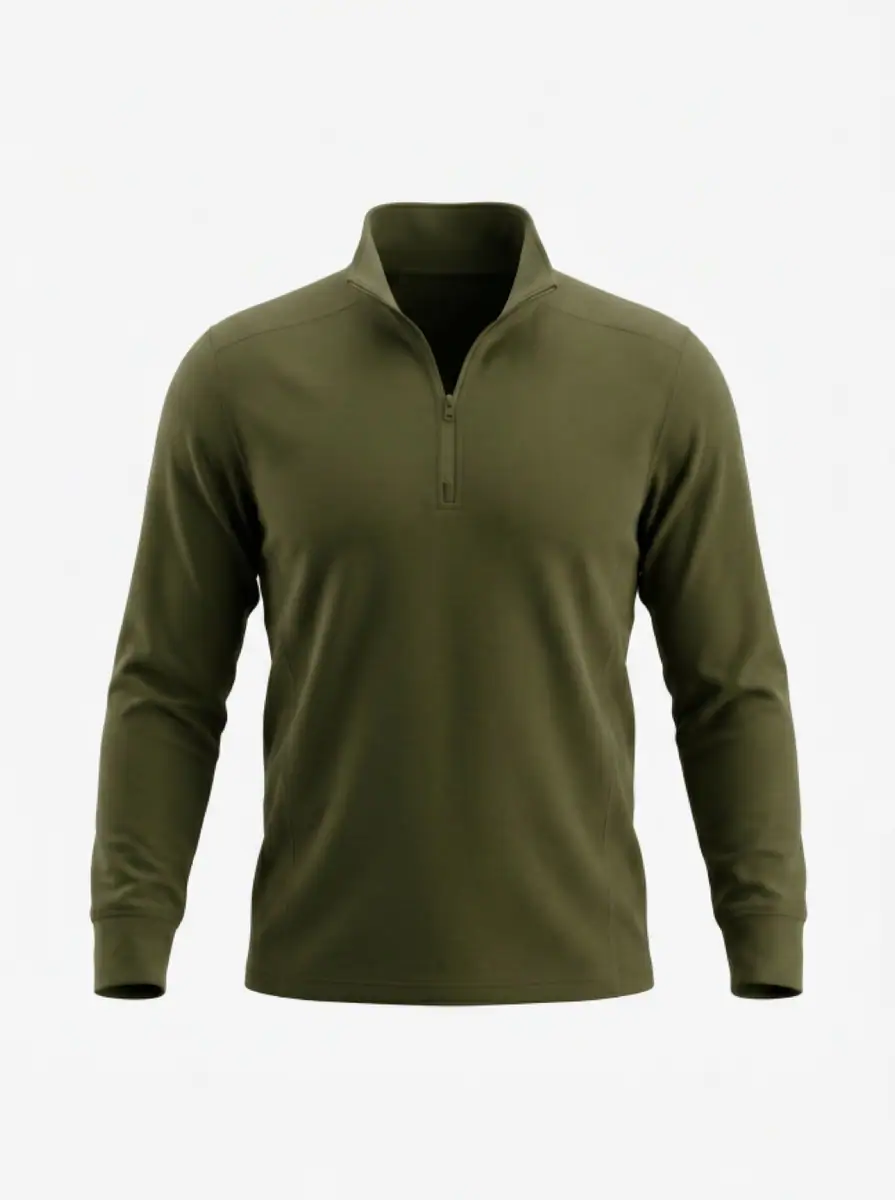
QUALITY FRAMEWORK
Exact test methods and evidence packages are agreed for each project. Certification names and performance figures are never presented as universal unless supported by approved documents.
Composition, components and buyer requirements
Fit, construction, function and workmanship
Durability, washability, thermal cycling and safety scope
Approved references and in-process checkpoints
Inspection, packing and shipment documentation
QUALITY CONTROL
Testing equipment, sewing checkpoints and documentation controls are now organized in a dedicated Quality Control page.
BUYER EVIDENCE GUIDE
Procurement teams receive evidence according to the product, test scope, target market and stage of the project. Unsupported universal claims are not used.
Review buyer resources ↗Legal entity details, contact channels, current product specifications, supplied product imagery, laboratory equipment and development workflow
Applicable test methods, sample approvals, inspection plan, packing requirements, shipping documents and commercial terms
Certification numbers, report values, capacity figures, customer cases and market outcomes only after supporting documents are approved